“The thoughts of the righteous are just, but the counsels of the wicked are deceitful.” (Proverbs 12:5-8, NASB)
You have probably heard the saying, “Sow a thought, reap an action; sow an action, reap a habit; sow a habit, reap a character; sow a character, reap a destiny.” Though simple, it carries a profound message. I believe Solomon had a similar idea in mind when he wrote today’s passage:
“The thoughts of the righteous are just, but the counsels of the wicked are deceitful. The words of the wicked lie in wait for blood, but the mouth of the upright will deliver them. The wicked are overthrown and are no more, but the house of the righteous will stand. A man will be praised according to his insight, but one of perverse mind will be despised.”
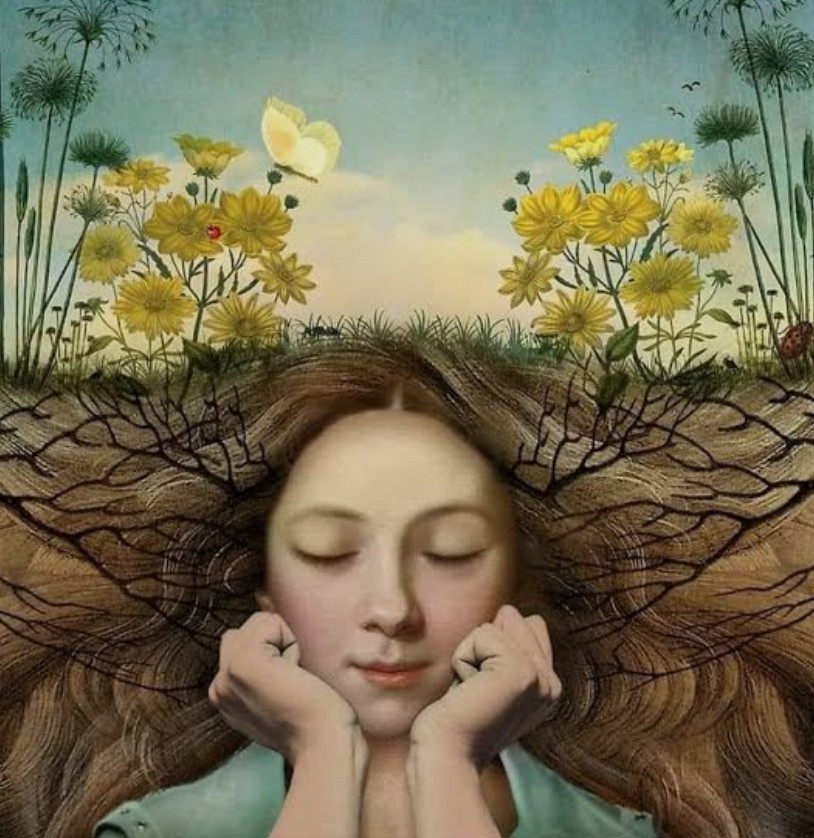
The main point is this: everything begins with our thoughts, and the way we think is shaped by what we have allowed to take root in our hearts. Scripture often illustrates human growth through the image of a tree or the process of building a house. Both show a similar pattern: source, a growth stage, and an outcome. A tree starts as a seed, develops roots, grows, and eventually bears fruit. In the same way, a house begins with a foundation, then takes shape with walls, a roof, and windows before being filled with the things we value. In both cases, it begins small and grows into something big.
Likewise, the Bible is filled with many warnings to guard our hearts, as they determine how we will act, what we will choose, and eventually who we will become. It even warns us about God’s judgment of our thoughts. Romans 2:14-16 says, “For when Gentiles who do not have the Law do instinctively the things of the Law, these, not having the Law, are a law to themselves, in that they show the work of the Law written in their hearts, their conscience bearing witness, and their thoughts alternately accusing or else defending them, on the day when, according to my gospel, God will judge the secrets of men through Christ Jesus.” It means that even those who have never read the Bible still have an inward awareness of God’s moral law, because He has written it on the human heart. For that reason, God can justly judge the hidden thoughts and motives of every person. Scripture makes this clear: God looks at the heart, not merely at outward appearance (1 Sam. 16:7). This was also the conclusion that Solomon made at the end of his life. After carefully considering the many facets of human life, Solomon reached this conclusion: “The conclusion, when all has been heard, is: fear God and keep His commandments, because this applies to every person. For God will bring every act to judgment, everything which is hidden, whether it is good or evil” (Eccl. 12:13-14).
In today’s passage, Solomon explains how a person’s life is built. He shows us that what we do on the outside always starts with what we think on the inside. He says that the “thoughts of the righteous are just.” The Hebrew word translated “just” is “mishpat,” a term related to “shaphat,” which is often rendered in English as “judgment.” In this context, the word points to sound judgment or right discernment. Solomon’s point is that righteous thoughts are not formed carelessly or randomly but are guided by what is true, fair, and morally right, according to God’s words. On the other hand, he says that the “counsels of the wicked are deceitful,” indicating that something is crooked, out of place, or twisted in their hearts.
To me, a fitting companion to this passage is 1 Thessalonians 5:21-22: “But examine everything carefully; hold fast to that which is good; abstain from every form of evil.” We think through things every day. Even actions that seem thoughtless usually flow from patterns of thinking we have repeated before. Guarding our thoughts means testing all things, holding to what is good, and rejecting evil. If you do this with integrity, your thoughts will align with what Solomon was trying to say in today’s passage. Even when you fail to do what is right, at least your sound thinking will judge rightly. Instead of trying to justify your wrongdoings, you will admit it is wrong and recognize that you are choosing it willfully. In doing so, there is hope for forgiveness and restoration, whereas if you do not, you will deceive yourself and others around you. No amount of self-justification will deliver us from God’s judgment. Solomon concludes, “The wicked are overthrown and are no more, but the house of the righteous will stand.” It begins with your thought, so do your best to sow the right things.
- What are the two kinds of thoughts Solomon mentions, and why do they differ?
- What do you want to “sow” today to reap later?


 word-centered living
Leave a comment