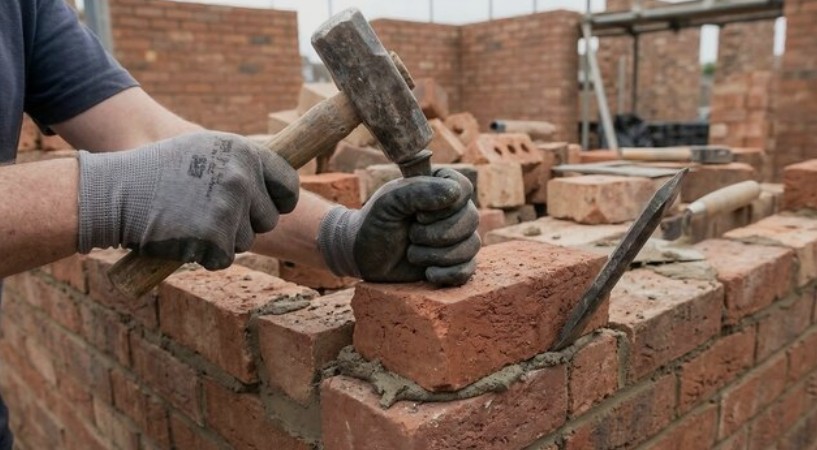
“By the blessing of the upright a city is exalted, but by the mouth of the wicked it is torn down.” (Proverbs 11:7-11, NASB)
Builder or destroyer, who do you want to be? Here is a thought that came to mind as I read today’s passage. It says,
“When a wicked man dies, his expectation will perish, and the hope of strong men perishes. The righteous is delivered from trouble, but the wicked takes his place. With his mouth the godless man destroys his neighbor, but through knowledge the righteous will be delivered. When it goes well with the righteous, the city rejoices, and when the wicked perish, there is glad shouting. By the blessing of the upright a city is exalted, but by the mouth of the wicked it is torn down.”
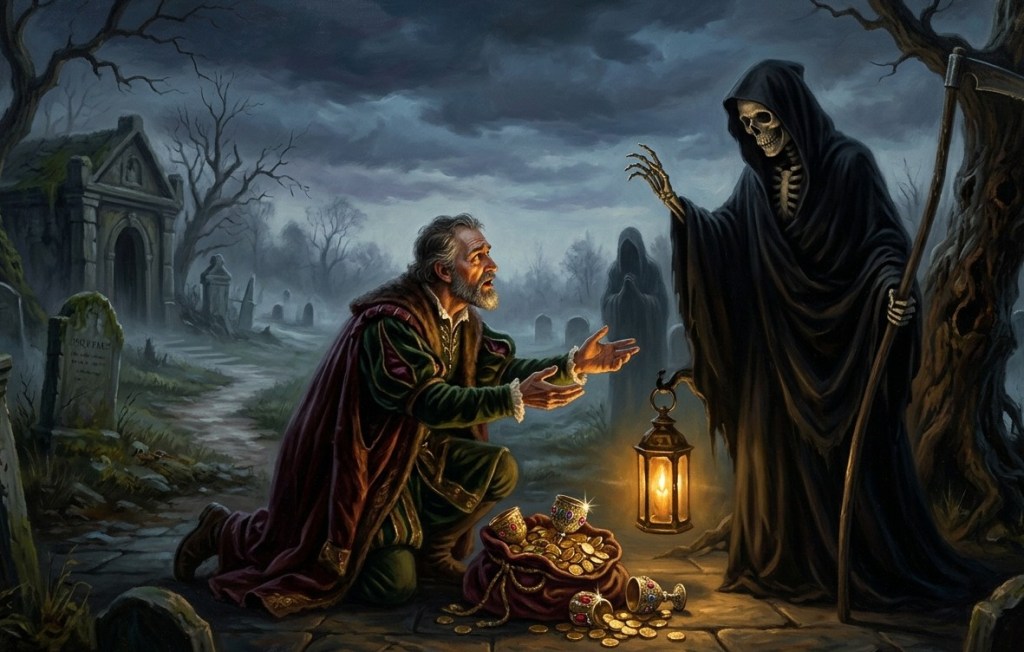
As Solomon contrasts the lives of the righteous and the wicked, he emphasizes the impact they have on those around them. Within these verses, he discusses three spheres of impact: the individual, the neighborhood, and the city. First of all, verses 7-8 serve as a simple reminder of how people’s ambition can make or break their own lives and those of those around them. Instead of a contrasting statement, Solomon talks about the wicked person’s “expectations” and “hopes” and how they perish with him when he dies. These two things represent what people hitch their future to. Though the wicked person may be a “strong man,” he will see his hope dashed to pieces because their foundation was built upon temporal and superficial things. Unlike the righteous, whose hope is anchored in the eternal God, the wicked person’s hope was tied to the things in the physical world—wealth, status, or positions. Upon his passing, his sense of worth dissolves, for they are treasures he cannot carry into the afterlife. The New Living Translation says of verse 8, “The godly are rescued from trouble, and it falls on the wicked instead.” It means he will live as a magnet for misfortune, drawing chaos to himself throughout his life and leaving a wake of hardship for his family and friends to navigate long after he’s gone.
Second, verse 9 speaks of the kind of trouble he will cause his community, as his “mouth” will “destroy his neighbor.” In other words, negative speech, such as gossip, rumors, slander, bearing false witness, and lying, can destroy relationships and others’ lives. This is especially important for your local church “neighbors.” The Bible emphasizes the great power of our tongues, which can build or destroy. Apostle James describes our tongue as a controlling mechanism, such as a “bit in horses’ mouths” and “a small rudder” that guides ships. He also warned that it can be a “spark of fire” that can set a forest aflame. He concluded by saying, “With it we bless our Lord and Father; and with it we curse men, who have been made in the likeness of God; from the same mouth come both blessing and cursing. My brethren, these things ought not to be this way” (Ja.3:9-10). Instead, Apostle Paul urged Christians to speak to build one another up as he said, “Let no unwholesome word proceed from your mouth, but only such a word as is good for edification according to the need of the moment, that it may give grace to those who hear” (Eph.4:29). This is how we become builders rather than destroyers of the body of Christ.
Third, verses 10-11 describe how a larger community in a city or town responds to the lives of the righteous and the wicked. When the righteous succeed in life, the people in the city also rejoice, as it benefits them. The lives of the righteous bless the city by making it livable, with clean streets and crime-free. To me, this speaks of someone in a leadership position, as an elder, a ruler, or a city official. In contrast, the wicked rulers oppress the people and make it hard for them to live in a city. They tend to hoard wealth, enrich their own lifestyles, and lie to the public rather than work for the people and improve their lives. As a result, people will be glad when the wicked leaders die or step down. It is because they were destroyers of the city rather than leaders who built. A good leader first builds his life on a good foundation and blesses his family and friends, and it will naturally overflow to the community at large.
- How does the righteousness or wickedness of a person impact their “neighbor” or “city?”
- What does the state of your city streets, economy, and crimes say about your rulers?
- What does it mean for believers to speak with “word as is good for edification?”

 word-centered living
Leave a comment