“By me kings reign, and rulers decree justice. By me princes rule, and nobles, all who judge rightly.” (Proverbs 8:12-21, NASB)
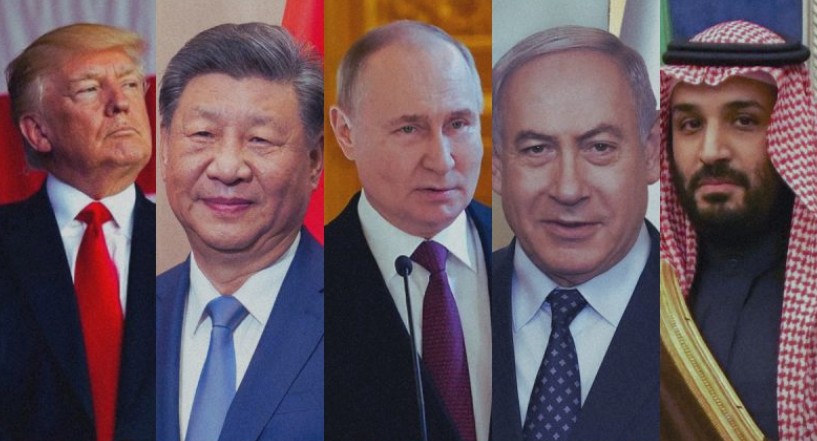
More than ever, we need to pray for our rulers. In fact, this is God’s command for every Christian. Whether they are politically on the right or left, good or bad, or altruistic or narcissistic, they need our prayer support. We are instructed to intercede for our kings and all who are in authority in the world. Our world often equates power with ego. Today’s reading offers a refreshing alternative. It suggests humility before God as the source of power to govern, rule, and lead. Instead of ruling with great wealth, power, and intelligence, it suggests that the fear of the Lord should be the foundation for leadership wisdom. This is the kind of leadership we need, and we are to pray for our leaders so that they will seek such wisdom. It says,
“I, wisdom, dwell with prudence, and I find knowledge and discretion. The fear of the LORD is to hate evil; pride and arrogance and the evil way, and the perverted mouth, I hate. Counsel is mine and sound wisdom; I am understanding, power is mine. By me kings reign, and rulers decree justice. By me princes rule, and nobles, all who judge rightly. I love those who love me; and those who diligently seek me will find me. Riches and honor are with me, enduring wealth and righteousness. My fruit is better than gold, even pure gold, and my yield than choicest silver. I walk in the way of righteousness, in the midst of the paths of justice, to endow those who love me with wealth, that I may fill their treasuries.”
As if wisdom were a living being, Solomon uses the first-person pronoun, “I,” to quote her words. Wisdom is personified, not as an abstract philosophy, but as a living partner to those who lead. Wisdom and leadership go hand in hand. This partner can come alongside any ruler who seeks to rule with prudence and discretion.
It implies that they don’t have to be a born-again Christian. They just need to fear God so that they will seek to do what is right. We can see many examples of this in the Old Testament. For example, King Nebuchadnezzar was not a godly king, but because he feared the God of Daniel, he was given recognition (Dan.2:46-47). Even when he became proud and erected a statue of himself, God did not kill him but disciplined him so that he could learn the fear of the Lord as the foundation for leadership (Dan. 3:28-29). On the other hand, whenever the rulers of the world ignored this principle, they were judged and cast down. We can see it in the examples of Pharaoh, Sennacherib, Belshazzar, Herod the Great, and even among the evil kings of Israel. Prophet Daniel perfectly summed it up by saying, “And it is He who changes the times and the epochs; He removes kings and establishes king; He gives wisdom to wise men, and knowledge to men of understanding” (Dan.2:21).
For a ruler, “the fear of the LORD (Yahweh)” refers not to an anxious dread, but rather to a respectful posture that recognizes the existence of a Higher Authority. And this Higher Authority is not just any god, but Yahweh of Israel as revealed in the Bible. It is the ultimate check and balance. When a leader fears God, they lose the ability to play god. Selfishness and pride are the twin sources of tyranny, and they cannot survive in the presence of true wisdom. Verses 15-16 make a bold claim: “By me kings reign, and rulers decree justice. By me princes rule, and nobles, all who judge rightly.” In other words, wisdom doesn’t just give good advice, but it is the mechanism for justice. More than ever, our rulers need such wisdom, and we need to pray that God will offer it to them.
God’s instructions for New Testament believers are clear: submit to governing authorities and pray for them. Romans 13:1-2 says, “Let every person be in subjection to the governing authorities. For there is no authority except from God, and those which exist are established by God. Therefore he who resists authority has opposed the ordinance of God; and they who have opposed will receive condemnation upon themselves.” Again, 1 Timothy 2:1-2 says, “First of all, then, I urge that entreaties and prayers, petitions and thanksgivings, be made on behalf of all men, for kings and all who are in authority, in order that we may lead a tranquil and quiet life in all godliness and dignity.” If leaders cause chaos and we neglect to pray for them, we share responsibility for their actions. While we may not all wear crowns, we all exercise influence. Our prayers can positively impact those in positions of authority.
- What shared characteristics do leaders such as kings, rulers, princes, and nobles possess?
- What does it mean to “submit” to governing authorities and “pray” for them?


 word-centered living
Leave a comment