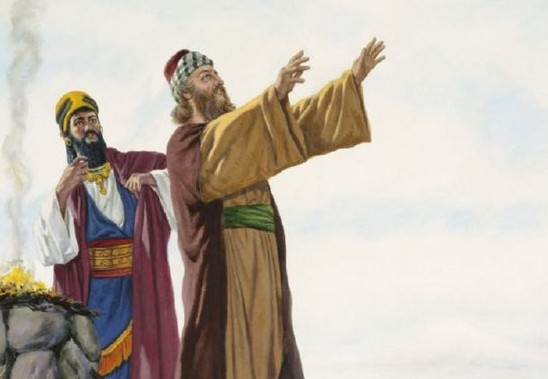
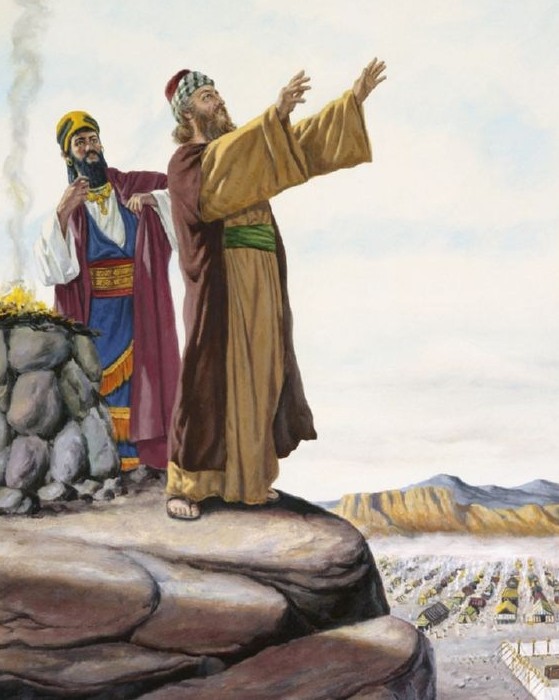
“…because you have there some who hold the teaching of Balaam… the teaching of Balak… the teaching of the Nicolaitans.” (Revelation 2:12-17, NASB)
As Christians, we must know what is compromisable and non-compromisable in our faith. The Christian faith has them both, and knowing them can make the difference between pleasing God and displeasing Him. Based on the letter to the church in Pergamum, we can conclude that compromise of their faith was their biggest letdown. It says in today’s passage,
“And to the angel of the church in Pergamum write: The One who has the sharp two-edged sword says this: ‘I know where you dwell, where Satan’s throne is; and you hold fast My name, and did not deny My faith, even in the days of Antipas, My witness, My faithful one, who was killed among you, where Satan dwells. But I have a few things against you, because you have there some who hold the teaching of Balaam, who kept teaching Balak to put a stumbling block before the sons of Israel, to eat things sacrificed to idols, and to commit acts of immorality. Thus you also have some who in the same way hold the teaching of the Nicolaitans. Repent therefore; or else I am coming to you quickly, and I will make war against them with the sword of My mouth. He who has an ear, let him hear what the Spirit says to the churches. To him who overcomes, to him I will give some of the hidden manna, and I will give him a white stone, and a new name written on the stone which no one knows but he who receives it.’”
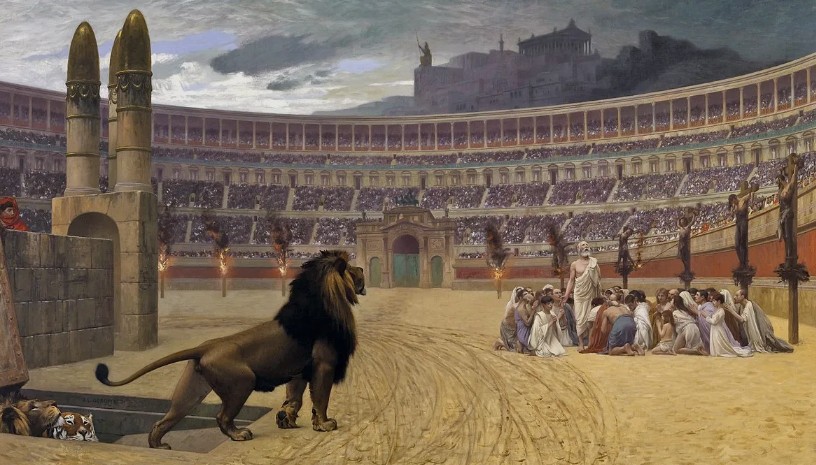
The church in Pergamum would have had a perfect testimony had it not been for these few compromisers of faith. They were doing really well in their faith. Jesus even recognized the difficulty of their situation in that their church was located “where Satan’s throne” was. This phrase does not mean Satan literally had his throne in the city. It just means that the enemy had a strong presence and influence over the city. This goes to show that there are some geographical locations, towns, cities, or nations, where Satan’s stronghold is evident. In the book of Daniel, the demonic ruler who oversaw such a stronghold was even identified as the “prince of the kingdom of Persia” (Dan.10:13). Jesus commended the Pergamum church for their faithfulness, even though they were ministering in the midst of the enemy territory.
However, their testimony became marred by some of these compromisers of faith who embraced the “teaching of the Nicolaitans.” Who were the Nicolaitans, and what did they believe? We cannot say for sure because we lack historical data. We are left with only two pieces of evidence that help us understand who they were. The first evidence is in the passage itself. The phrase “in the same way” suggests that the teaching of the Nicolaitans was much like the case of Balaam and Balak in the Old Testament (Nu.22-24). Balaam was a prophet of God hired by an enemy king to curse the people of Israel, but failed miserably because God would not allow him to do it. In the Bible, followers of Balaam are identified as spiritual leaders who serve God for money and immorality (2 Pet.2:15-16). The problem of the church in Pergamum was that they allowed such leaders to lead in their church and follow their teachings. Second, evidence is found in the church’s historical record in the writings of Ireneus and Hippolytus, early church leaders, who say that the Nicolaitans were indeed compromisers of the gospel. Putting them both together, we can basically conclude that the Pergamum church fell into the sin of compromising the true gospel ministry that should not have been compromised.
As Christians, we must know the difference between what can be compromised and what cannot. For instance, some things that cannot be compromised are the gospel of Jesus Christ, the authority of the Scriptures, and the calling of the church to make disciples of all nations. Yet many Christian leaders compromise the integrity of these things and fight to the death over issues such as the style of worship, which Bible translation to use, how to structure church leadership, how to spend offering money, and even the color of the carpet. Their teachings focus on politics and social issues and are concerned with the inclusivity of all people, to the point of accepting their sinful lifestyles. Their teachings create stumbling blocks, a defiled conscience, and cause people to accept and normalize immoral lifestyles. Do you know what can and cannot be compromised as a Christian? Let’s have unity in the essentials, liberty over the non-essentials, and charity in all things.
- Who do you think the Nicolaitans were, and why are they evil?
- Are there any churches today that appear to “hold the teachings of Balaam, who kept teaching Balak to put a stumbling block before the sons of Israel, to eat things sacrificed to idols, and to commit acts of immorality?”


 word-centered living
Leave a comment