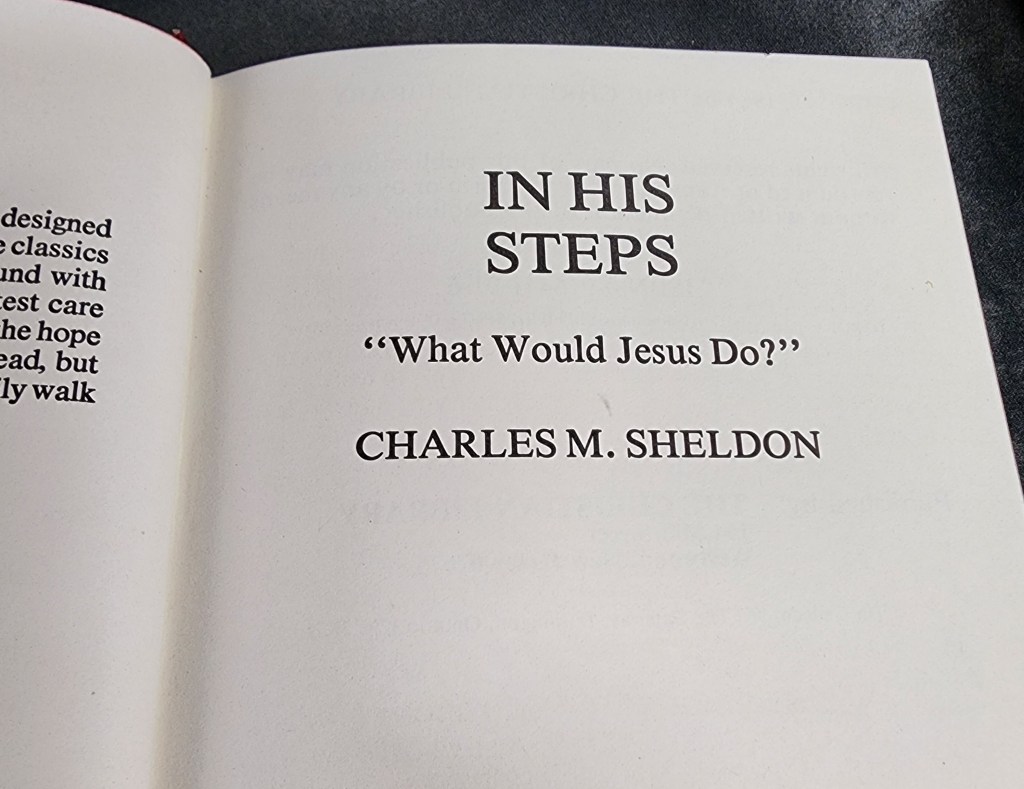

I believe that every Christian (even many non-Christians) have heard the phrase, “What would Jesus do?” It is often used in an abbreviated form, “WWJD.” Have you ever wondered where this phrase and its radical idea comes from? It comes from a novel written by Charles M. Sheldon called, “In His Steps.” It was first published in 1897, and it explores the implications of true Christian discipleship. It was a hugely successful book, becoming one of the best-selling books in the United States after the Bible. The novel reflects the Social Gospel movement of the late 19th century, which sought to apply Christian ethics to social issues like poverty, injustice, and crime.
Here’s a short synopsis of the plot of the book:
The story begins with Reverend Henry Maxwell, a pastor in the prosperous fictional town of Raymond. Their comfortable lives are disrupted when a destitute, unemployed man named Jack Manning confronts the congregation during a Sunday service, challenging their understanding of genuine Christian action. Shortly after, the man dies. Deeply affected, Reverend Maxwell challenges his congregation to take a pledge: for one year, they will commit to asking, “What would Jesus do?” before making any decision. The narrative then follows various prominent members of the church as they attempt to live out this pledge, often with surprising and challenging results. Characters like Rachel Winslow, a gifted singer, sacrifices a promising career to use her talent for the needy. Edward Norman, the owner and editor of the local newspaper, decides to publish only truth, leading to significant financial loss and a drop in readership and advertisers. Virginia Page, a wealthy heiress, uses her inheritance to rehabilitate a poverty-stricken district. Their commitment to this radical discipleship, while often met with opposition, ridicule, and personal hardship, leads to personal transformation and sparks a broader movement of social reform and accountability in their community, emphasizing themes of sacrifice, self-denial, and serving others.
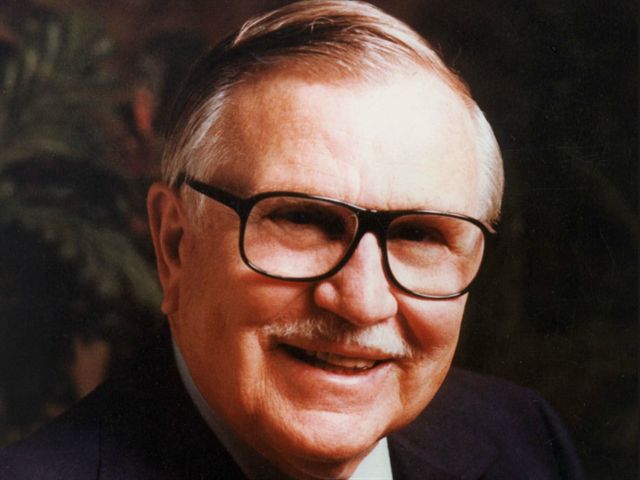
Charles M. Sheldon (1857-1946) was an American Congregational minister and a key figure in the Social Gospel movement. He was born in Wellsville, New York, and educated at Browns University and Andover Theological Seminary. In 1889, he became the pastor of the Central Congregational Church in Topeka, Kansas, where he began reading his “sermon series” to his evening congregation. These stories, designed to address moral dilemmas, became incredibly popular and led to the writing of “In HIs Steps.” Regardless of one’s perspective on the Social Gospel Movement, it is important to consider what it means to follow Jesus in contemporary times. For all Christians, this involves finding ways to practice their faith in everyday life rather than viewing it solely as a matter of personal belief or intellectual agreement. Am I wrong? James 1:22 says, “But prove yourselves doers of the word, and not merely hearers who delude themselves.” Again, James 2:14-17 says, “If a brother or sister is without clothing and in need of daily food, and one of you says to them, ‘Go in peace, be warmed and be filled,’ and yet you do not give them what is necessary for their body, what use is that? Even so faith, if it has no works, is dead, being by itself.” What do you think of living your life asking the question before you make any decision, “What would Jesus do?” and then doing it?
Here is a movie made in 2013 with a contemporary take on the story of “In His Step.”


 word-centered living
Leave a comment