“Do not withhold good from those to whom it is due, when it is in your power to do it… Do not contend with a man without cause, if he has done you no harm.” (Proverbs 3:27-35, NASB)
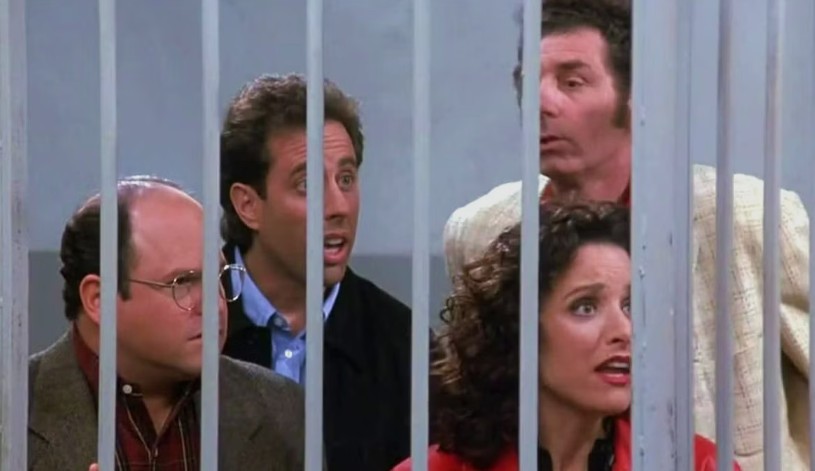
Is there a law that can put you in jail if you do not help someone in need? In the final episode of the TV show Seinfeld, the group is sentenced to one year in jail for not helping a person being carjacked. The show was based on a law called the Good Samaritan law, which exists in all 50 states. The real law shields bystanders from liability when they help in emergencies, while the Seinfeld show depicts a law that punishes non-intervention—something generally untrue in the U.S. They protect you from civil lawsuits if you accidentally cause injury while trying to help someone in good faith. This leads us to an interesting question: How about in the court in heaven? What does God say about people who refuse help when it’s in their power to do so? It says in today’s reading,
“Do not withhold good from those to whom it is due, when it is in your power to do it. Do not say to your neighbor, ‘Go, and come back, and tomorrow I will give it,’ when you have it with you. Do not devise harm against your neighbor, while he lives in security beside you. Do not contend with a man without cause, if he has done you no harm. Do not envy a man of violence, and do not choose any of his ways. For the crooked man is an abomination to the LORD; but He is intimate with the upright. The curse of the LORD is on the house of the wicked, but He blesses the dwelling of the righteous. Though He scoffs at the scoffers, yet He gives grace to the afflicted. The wise will inherit honor, but fools display dishonor.”
This passage speaks of wisdom and good neighbor policy in the eyes of God. God wants us to be kind and patient toward one another. It is about loving our neighbors as ourselves. According to Jesus, the greatest commandment in the law is to love God with all our heart, soul, mind, and strength. The next great commandment is to love our neighbors as ourselves (Matt.22:35-40). In fact, according to many descriptions of love in 1 Corinthians 13:4, the first two are “love is patient, love is kind.”
According to today’s passage, it appears that God will hold us accountable for not being a “good Samaritan” toward our neighbors. First, we will be found guilty if we “withhold good” from those who are in need when we have the power to help. We will be found guilty if we say to the needy who asks for help, “Go, and come back, and tomorrow I will give it,” when we have it with us. The New Testament commands a similar thing. James 2:14-17 says, “What use is it, my brethren, if a man says he has faith, but he has no works? Can that faith save him? If a brother or sister is without clothing and in need of daily food, and one of you says to them, ‘Go in peace, be warmed and be filled,’ and yet you do not give them what is necessary for their body, what use is that? Even so faith, if it has no works, is dead, being by itself.” 1 John 3:17-18 says, “But whoever has the world’s goods, and beholds his brother in need and closes his heart against him, how does the love of God abide in him? Little children, let us not love with word or with tongue, but in deed and truth.”
Second, we will be found guilty if we “contend” and “devise harm” against an innocent neighbor without cause. Such actions are very opposite of love. Romans 13:10 says, “Love does no wrong to a neighbor; love therefore is the fulfillment of the law.” We will be found guilty because wronging our neighbors shows that we did not act out of love. We will be found guilty if we withhold good, and if we devise evil without cause toward our neighbors. The bottom line is that God wants us to live in peace and love with one another, as long as it depends on you. Achieving this requires considerable wisdom, which is available for those who seek it. Additionally, it is stated that those who follow principles of wisdom and good neighbor policy will benefit from God’s “grace,” while His “curses” are reserved for those whose actions are considered “crooked” and “wicked.”
- Do you think it’s fair for God to judge those who withhold goods from those in need?
- If the “Good Samaritan Law” were defined by today’s passage, how many people in the U.S. would be in jail?
- How about you? How often would you pay a fine or spend time in jail?



 word-centered living
Leave a comment