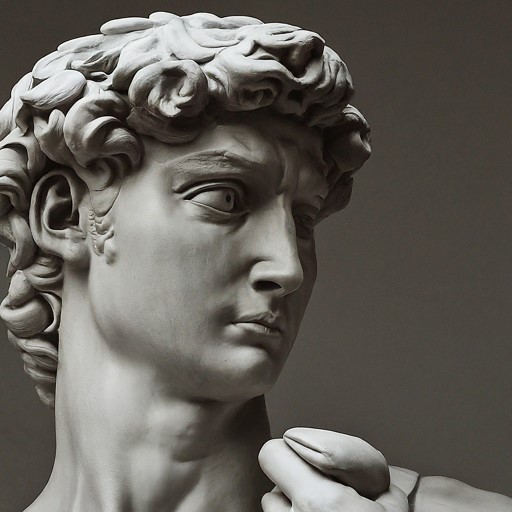

I love the story of King David. And I found this incredible summary of his life many years ago, making me love him even more. It read,
“Now when David had served God’s purpose in his own generation, he fell asleep; he was buried with his ancestors and his body decayed” (Acts 13:36).
This is one of my favorite Bible verses. I want to make it one of my life philosophy verses and part of my mission statement. We can accomplish many things in life, but we haven’t accomplished much unless we fulfill the purpose for which God created us. For example, I have a Samsung Galaxy S22 smartphone and can do a lot with it. I can text, email, surf the net, watch Netflix, and play games. However, even if it can do all these things and more, but if it cannot make a phone call, it cannot be called a “smartphone.” It can be called a smart pad, smart device, or smart minicomputer, but it cannot be called a smartphone. The primary purpose of a smartphone is to make phone calls. Similarly, we can do many things in life, but we cannot call ourselves Christians unless we do what God mainly created us for. Didn’t Jesus himself say that his life purpose was to do the will of the Father who sent him and to accomplish His work? (Jn.4:34). Didn’t Jesus finish his mission and declare on the cross, “It is finished?” (Jn.19:30) I love the summary of David’s life because of this. It could even be read as his epitaph on his tombstone. Thus, out of many things that can be written about me, I would like to have these words written on my tombstone. “He served God’s purpose and died.”

King David, a figure of great intrigue in the Bible, is someone we can all relate to. From a teaching perspective, he can be both a source of inspiration and a cautionary tale. He can be taught as a positive or negative example of a follower of Christ, someone to emulate or to learn from their mistakes. He is a positive example because he inspires us to have great faith when facing a giant, to be passionate and even undignified in worshiping and praising God, and to repent humbly when convicted of sin. On the other hand, he can be a negative example in that he teaches us not to be as proud, immoral, and vengeful a person. He exemplifies the greatest and the worst of man of God. It serves as a great character study in the Scriptures because we can all identify with him—full of human depravity and still live a life that pleases God. Remember, God testified concerning David that he was a man after God’s own heart (1 Sam.13:14, Acts 13:22). It serves as a reminder of how God’s redeeming love and grace can work through a sinner and imperfect person and still be loved by Him. So, what is it about David that God loved Him even though he was a sinner? What did he do right that God considered him a success story that the Scriptures recorded as someone who served God’s purpose in life?
There are many things that I admire about David, but here are six of my favorites…

The first is when he faithfully defends his father’s flock, risking his life.
“But David said to Saul, ‘Your servant was tending his father’s sheep. When a lion or a bear came and took a lamb from the flock, I went out after him and attacked him, and rescued it from his mouth; and when he rose up against me, I seized him by his beard and struck him and killed him. Your servant has killed both the lion and the bear; and this uncircumcised Philistine will be like one of them, since he has taunted the armies of the living God.’ And David said, ‘The LORD who delivered me from the paw of the lion and from the paw of the bear, He will deliver me from the hand of this Philistine.’” (1 Sam.17:34-37)
To me, this speaks to his sense of loyalty to the one who has authority over him and faithfulness to the task entrusted to him. This characteristic seems to be missing in many young people today. There is a strong indication that God values such traits in a person. He was loyal to his father and willing to risk his life to remain faithful to the shepherd’s task by going after a lion and a bear to rescue a lamb. Imagine seeing such a person in the workforce. If you were an employer, how would you keep such a person? We know that this wasn’t a one-time act but part of his character as we see him later respecting a crooked leader like King Saul and refusing to lay his hand on the anointed of God. He remained faithful to the task even when Saul tried to kill him.

The second one is when he encouraged himself in the Lord when no one was around to help him.
“And when David and his men came to the city, behold, it was burned with fire, and their wives and their sons and their daughters had been taken captive. Then David and the people who were with him lifted their voices and wept until there was no strength in them to weep. Now David’s two wives had been taken captive, Ahinoam the Jezreelitess and Abigail the widow of Nabal the Carmelite. Moreover David was greatly distressed because the people spoke of stoning him, for all the people were embittered, each one because of his sons and his daughters. But David strengthened himself in the LORD his God.” (1 Sam.30:3-6)
This speaks to his ability to motivate himself even when no one is around. Self-motivation is an excellent quality in leadership, but not everyone can do it. People, circumstances, and fear influence bad leaders. Good leaders, on the other hand, influence and lead them. How did David influence a disgruntled, angry, and hostile six hundred-plus men to follow him and his plan to rescue their loved ones? The secret is found in the words, “But David strengthened himself in the LORD his God.” The secret to strong leadership is finding a source within yourself to draw strength. For us believers, that source is our personal relationship with the living God.

Third, it was when he danced before God with all his might.
“And David went and brought up the ark of God from the house of Obed-edom into the city of David with gladness. And so it was, that when the bearers of the ark of the LORD had gone six paces, he sacrificed an ox and a fatling. And David was dancing before the LORD with all his might, and David was wearing a linen ephod. So David and all the house of Israel were bringing up the ark of the LORD with shouting and the sound of the trumpet.” (2 Sam.6:12-15)
This speaks of his unashamed love for God. When did you last express love for someone and don’t care what others think of you? Love makes us do silly and embarrassing things, doesn’t it? Yet, if your love is greater than the fear of what others may think of you, then there will be no stopping what you will do. Many worship services today are about wanting to appear respectable before people rather than expressing love, joy, and reverence toward God. Even when people shout, raise hands, and close their eyes, are they doing to appear spiritual or genuinely loving God? I just loved how David danced before God with all his might and didn’t care what others thought of him. Even when his wife mocked him, he claimed he would be willing to be even more foolish, undignified, or contemptible. How about you?

Fourth, it was when he trusted God’s name like a child when facing a giant.
“Then David said to the Philistine, ‘You come to me with a sword, a spear, and a javelin, but I come to you in the name of the LORD of hosts, the God of the armies of Israel, whom you have taunted. This day the LORD will deliver you up into my hands, and I will strike you down and remove your head from you. And I will give the dead bodies of the army of the Philistines this day to the birds of the sky and the wild beasts of the earth, that all the earth may know that there is a God in Israel, and that all this assembly may know that the LORD does not deliver by sword or by spear; for the battle is the LORD’s and He will give you into our hands.’ Then it happened when the Philistine rose and came and drew near to meet David, that David ran quickly toward the battle line to meet the Philistine. And David put his hand into his bag and took from it a stone and slung it, and struck the Philistine on his forehead. And the stone sank into his forehead, so that he fell on his face to the ground. Thus David prevailed over the Philistine with a sling and a stone, and he struck the Philistine and killed him; but there was no sword in David’s hand.” (1 Sam.17:45-50)
This speaks of his incredible faith in God, who is unseen. There are many aspects to David’s faith here. His faith showed that he believed in the existence of God. His faith showed that God not only existed but was the highest God above all others and that He was Israel’s God. His faith showed that God would give him victory over a giant and the unbelieving nation. It is one thing to believe that God exists, but another to claim that He will give him victory. Most Christians today believe in God, but how many can claim that God will give them victory over the giants in their lives and ministries? Claiming to the world that you believe in God is brave, but claiming that God you believe will deliver you and having Him do precisely that is a different level of bravery.

The fifth is when he confessed that he was a sinner before a prophet of God.
“Then David said to Nathan, ‘I have sinned against the LORD.’ And Nathan said to David, ‘The LORD also has taken away your sin; you shall not die. However, because by this deed you have given occasion to the enemies of the LORD to blaspheme, the child also that is born to you shall surely die.’” (2 Sam.12:13-14)
This speaks of his humility as a man of God. Humility keeps us in check with God. Without it, we will lose sight and become lost. Lack of humility has caused many biblical and Christian leaders, including the good ones, to fail and fall. Whether we believe we are right or trying to keep ourselves from being found out that we are wrong, our pride drives us to put up a front. This is dangerous because we cannot be right with God if we try to be right in our own eyes. Humility allows us to be accountable before others and willing to be reproved, corrected, and judged. This is hard for leaders, especially when they are in higher positions of authority. David was the king of Israel but was willing to be accountable to Nathan, the prophet of God.

The sixth is when he wept for his son, who was trying to kill him and overthrow his leadership.
“Then the king said to the Cushite, ‘Is it well with the young man Absalom?’ And the Cushite answered, ‘Let the enemies of my lord the king, and all who rise up against you for evil, be as that young man!’ And the king was deeply moved and went up to the chamber over the gate and wept. And thus he said as he walked, ‘O my son Absalom, my son, my son Absalom! Would I had died instead of you, O Absalom, my son, my son!’” (2 Sam.18:32-33)
This speaks of his merciful heart toward others, even if they are enemies. Jesus echoed this in his sermons, “Love your enemies, and pray for those who persecute you” (Mt.5:44). Can you love your enemies? Can you pray for those who are trying to hurt you? Can you be merciful toward those who are merciless, cruel, and hateful toward you? Yes, Absalom was David’s son, and we can say that David felt merciful because of that relationship. But the principle remains the same. Many leaders can lead with courage, fear tactics, and guilt trips, but I wonder how many can lead with mercy? Our world desperately needs mercy and Christians who can show it. Remember that God desires mercy over many sacrifices (Hos.6:6, Mt.9:13).

After saying all these positive things about David, we can also discuss the negative aspects of his personality and leadership. What about when he went after another man’s wife because he could not control his lust and murdered him to cover it up? How vile is that? What about when he could not wholly forgive someone, as in the case of Shimei? Before people, he sounded spiritual and forgave his offenses, but in the end, he wanted him dead and gone. It speaks of his unforgiving spirit that lingered on. What about when he insisted on trusting in the number of his military might rather than God? In this particular sin, 1 Chronicles 21:1 says that he obeyed Satan’s influence instead of being led by God’s Spirit. How could a man of God in charge of leading God’s people allow himself to be led by Satan’s voice? These are a few of the negative examples that make David look bad. In addition to these, he was also a womanizer, materialistic, politically motivated rather than spiritually focused, and unwilling to bring discipline to his fleshly children. He exemplifies a man of God who was spiritual as much as fleshly, God-centered as well as self-centered, and loving God as well as loving self.

So, how is it possible that he could have a testimony that he lived a life that is pleasing to God and died fulfilling His purpose in life? How could the Bible say, “Now when David had served God’s purpose in his own generation, he fell asleep; he was buried with his ancestors and his body decayed” (Acts 13:36)? It is because he was willing to recognize that he was a messed-up sinner who needed redemption and trusted in a Redeemer God who could redeem him. There is no one righteous in God’s eyes. All of us are sinners, unclean, unrighteous, wretched, messed up, despicable, and vile beings. The only thing going for us is that God still sees us as redeemable beings. We are nothing more than redeemable beings, and God is the Redeemer God. We are nothing more than dirty clay that the Potter molds and shapes for his use. That is all there is. David fulfilled God’s purpose in life because of this simple truth. Therefore, when we are willing to recognize this truth and surrender to Him, God can make beautiful things out of our lives. God can take useless things and make useful instruments out of us. God can turn our failures into triumphs, mourning into dancing, and broken things into beautiful things. God can use sinners to accomplish His purpose in the world. All of this can happen when we confess that we are sinners in need of redemption and that God is the Redeemer who can do it. Just as the Apostle Paul confessed, “For I am the least of the apostles, who am not fit to be called an apostle, because I persecuted the church of God. But by the grace of God I am what I am, and His grace toward me did not prove vain; but I labored even more than all of them, yet not I, but the grace of God with me” (1 Cor.15:9-10).



 word-centered living
Leave a comment