

Are you happy? If so, what makes you happy? What would you say is the source of your happiness? What if somehow God took away those things that made you happy? Would you still be happy? Consider the following logic and see if it makes sense to you.
- If popularity makes one happy, then all popular people (celebrities) are happy people
- If youthfulness, then all young people are happy people
- If health, then all healthy people are happy people
- If wife or husband, then all married couples are happy people
- If money, then all rich and wealthy people are happy people
- If fun and games, then all party people and gamers are happy people
- If sports, then all athletes are happy people
The truth is these things may momentarily give us ” happiness, ” but they do not give us lasting happiness. Our happiness can come and go based on whether we have these things or not, and more or less of them. Therefore, they are not the true and lasting source of happiness. Then how can we be happy and live a happy life? What does the Bible say about it? Read John 15:1-27 and see what Jesus said about it.

In this chapter, I want to focus on verse 11, where he said these words:
“These things I have spoken to you, that My joy may be in you, and that your joy may be made full.” (Jn.15:11, NASB)
“I have told you this so that my joy may be in you and that your joy may be complete.” (Jn.15:11, NIV)
“I have told you these things so that you will be filled with my joy. Yes, your joy will overflow!” (Jn.15:11, NLT)
“I have told you this to make you as completely happy as I am.” (Jn.15:11, CEV)
Although these translations say it differently, they all point to the same conclusion. Jesus wants to give us his joy and make our joy to be “full,” “complete,” “overflowing,” or “complete as his.” Therefore, if the will of God is for us to have a happy life, there must be a way to experience it. The key is having the “joy” of Jesus in us. Imagine being happy as you are studying, working, parenting children, going to church or school, and being at home. Think about when you are most unhappy, and imagine you can be happy even in those times. If Jesus didn’t mean it, he wouldn’t have said it. He has spoken the words in John 15 so that his joy may be in us.
However, before we go any further, we must understand clearly in the biblical context that God’s idea of a happy life is not the same as ours. For instance, let’s look at some incorrect views of happiness and their outcomes:

First, there is happiness based on physical or material things. I call this “fading happiness” because all matters fade over time. It also depends upon ownership, based on what I have or don’t have in life. Consider King Solomon, who had great material wealth but summed up his life by saying, “Meaningless! Meaningless!” Utterly meaningless! Everything is meaningless” (Eccl.1:2, NIV). Those who draw happiness from physical rely on two basic things—their appearance and possessions. Here is what the Bible says about both:
“All flesh is grass, and all its loveliness is like the flower of the field. The grass withers, the flower fades, when the breath of the LORD blows upon it; surely the people are grass.” (Isa.40:6-7)
“Charm is deceptive, and beauty does not last…” (Prov.31:30, NLT)
“Therefore we do not lose heart, but though our outer man is decaying, yet our inner man is being renewed day by day.” (2 Cor.4:16)
“Do not lay up for yourselves treasures upon earth, where moth and rust destroy, and where thieves break in and steal.” (Mt.6:19)
“But God said to him, ‘You fool! This very night your soul is required of you; and now who will own what you have prepared?’ So is the man who lays up treasure for himself, and is not rich toward God.” (Lk.12:20-21)

Second, there is happiness based on emotion. I call this one “fluctuating happiness,” it can fluctuate based on circumstances around us and how we feel about them. We can feel happy, excited, or satisfied when having fun, watching movies, listening to music, or playing sports. However, what happens to our emotions when we experience circumstances that are not pleasurable? Our feelings can be like waves of water, some big and others small, based on the wind that blows. Yet, here is what the Apostle Paul said about dealing with his circumstances: “I know how to get along with humble means, and I also know how to live in prosperity; in any and every circumstance, I have learned the secret of being filled and going hungry, both of having abundance and suffering need. I can do all things through Him who strengthens me” (Phil.4:12-13).

Third, there is happiness based on knowledge or Intellect. I call it “puffed-up happiness,” and it depends on information – what I know and what I don’t know. This is more so true in the information age we are living in. It is as if we are all climbing a mountain, and as we go higher, we can see more of it below. It also makes us feel superior to others below us and envy those above us. Yet, the mountain seems more prominent than ever, and our climb is never-ending. Furthermore, it feels as though the more knowledge we gain, the farther we go away from God and His wisdom. The devil deceived the first man and woman into thinking that gaining knowledge would make them like God, but ended up with the very opposite. Instead of getting closer to God, they became driven away from Him. Their happiness became like a big balloon until it blew up in their faces. Here is what the Bible says about it:
“But knowledge puffs up while love builds up.” (1 Cor.8:1, NIV)
“For with much wisdom comes much sorrow; the more knowledge, the more grief.” (Eccl.1:18, NIV)
“…avoiding worldly and empty chatter and the opposing arguments of what is falsely called “knowledge “—which some have professed and thus gone astray from the faith. Grace be with you.” (1 Tim.6:20-21)
“This is because God considers the wisdom of this world to be foolish. It is just as the Scriptures say, ‘God catches the wise when they try to outsmart him.’” (1 Cor.3:19, CEV)
“For the weapons of our warfare are not of the flesh but have divine power to destroy strongholds. We destroy arguments and every lofty opinion raised against the knowledge of God, and take every thought captive to obey Christ.” (2 Cor.10:4-5, ESV)

Fourth, there is happiness based on our social standing. I call it “functional happiness,” it depends on your identity, roles, and functions– who you are, who you have a relationship with, and what you have achieved. Out of the four incorrect sources of happiness, this one is probably the most enduring one. It is because it provides happiness in our earthly life as long as we maintain specific functional roles in society and are valued by them. Here are three functional roles that give people value in society:
- People around us and how we are related to them
- Achievements we have accomplished and how we view them
- Prestige that people give to my role and achievements in society and how they value them
However, like all the others, we cannot take our social standing to the next life. Jesus even said that our marriage relationships will cease to exist in heaven as people will not marry or be given in marriage in the kingdom of God (Mt.22:30). Furthermore, the way people value achievements and status in this world is not the same in the eyes of God as Jesus said, “You know that the rulers in this world lord it over their people, and officials flaunt their authority over those under them. But among you it will be different. Whoever wants to be a leader among you must be your servant” (Mk.10:42-43, NLT). Again, he said, “Truly I tell you, unless you change and become like little children, you will never enter the kingdom of heaven. Therefore, whoever takes the lowly position of this child is the greatest in the kingdom of heaven” (Mt.18:3-4, NIV).
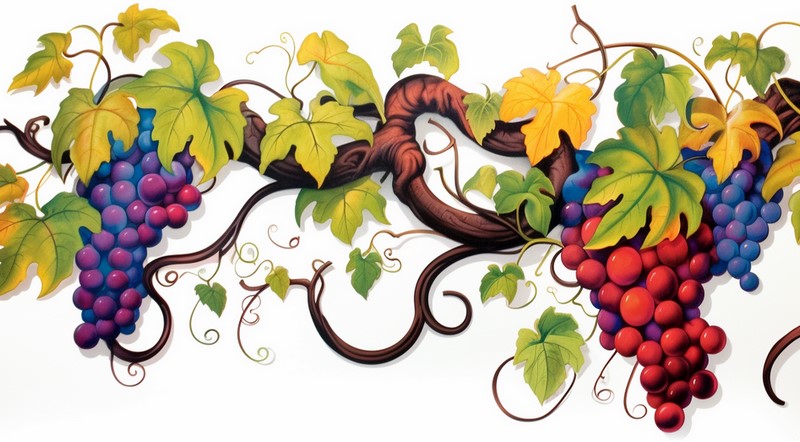
Then what does the Bible say about true and lasting happiness? According to John 15, it comes down to abiding or remaining in Jesus Christ. I call it “forever happiness,” and it depends on your relationship with Christ – Who you are and for whose purpose you are living your life – it’s about knowing and doing the will of God.
So, here is what Jesus said about the true source of complete and abundant happiness:
“I came that they might have life, and might have it abundantly.” (Jn.10:10)
“You are now very sad. But later I will see you, and you will be so happy that no one will be able to change the way you feel.” (Jn.16:22, CEV)
“Until now you have not asked for anything in my name; ask and you will receive, so that your happiness may be complete.” (Jn.16:24, GN)
“But now I come to Thee; and these things I speak in the world, that they may have My joy made full in themselves.” (Jn.17:13)
“These things I have spoken to you, that My joy may be in you, and that your joy may be made full.” (Jn.15:11)

So, coming back to John 15, I want to share with you five things that Jesus said will bring true happiness, joy, or abundant life, and that they can be yours when you are abiding or remaining in your relationship with the Vine, who is the Christ. These five things are:
1. A life that is bearing fruit
“Abide in Me, and I in you. As the branch cannot bear fruit of itself, unless it abides in the vine, so neither can you, unless you abide in Me. I am the vine, you are the branches; he who abides in Me, and I in him, he bears much fruit; for apart from Me you can do nothing.” (Jn.15:4-5)
“By this is My Father glorified, that you bear much fruit, and so prove to be My disciples.” (Jn.15:8)
2. Having prayers answered by God
“If you abide in Me, and My words abide in you, ask whatever you wish, and it shall be done for you.” (Jn.15:7)
3. Experiencing God’s love and loving one another
“Just as the Father has loved Me, I have also loved you; abide in My love. If you keep My commandments, you will abide in My love; just as I have kept My Father’s commandments, and abide in His love.” (Jn.15:9-10)
“This is My commandment, that you love one another, just as I have loved you. Greater love has no one than this, that one lay down his life for his friends.” (Jn.15:12-13)

4. Knowing that God accepts us amid rejection by the world
“If the world hates you, you know that it has hated Me before it hated you. If you were of the world, the world would love its own; but because you are not of the world, but I chose you out of the world, therefore the world hates you…If they persecuted Me, they will also persecute you; if they kept My word, they will keep yours also.” (Jn.15:18-20)
5. Being filled with the Spirit of God and enjoying His fruit forever
“When the Helper comes, whom I will send to you from the Father, that is the Spirit of truth, who proceeds from the Father, He will bear witness of Me, and you will bear witness also, because you have been with Me from the beginning.” (Jn.15:26-27)
“But the fruit of the Spirit is love, joy, peace, patience, kindness, goodness, faithfulness, gentleness, self-control…” (Gal.5:22-23)
According to Jesus, these things can be ours when we are “abiding” or “remain” in the True Vine (Jesus) as branches (us). So, if we are using this imagery of “vine” and “branches” as an illustration of the source of happiness, we must ask ourselves, “What kind of vine have we been trying to abide by all these years?” All the sources I have discussed before are wrong vines that we have been abiding by for happiness. However, Jesus said that he is the true Vine of God, and we are the branches, and as long as we are abiding in Christ, that is, in a living and dynamic relationship with him, these things will naturally flow from vine to branches.

We can even say that the secret of long and lasting happiness lies in knowing God and doing His will. It is because the true source of joy is not found in our health, possessions, knowledge, or people but in Jesus Christ and following his examples of what it means to be an obedient son or daughter to God the Father. In other words, happiness is knowing that God loves you, loving Him back, and living a life that pleases Him. As for me, I can confidently say that my life purpose is: Pleasing God pleases me. Making God happy makes me happy. How about you?



 word-centered living
Leave a comment